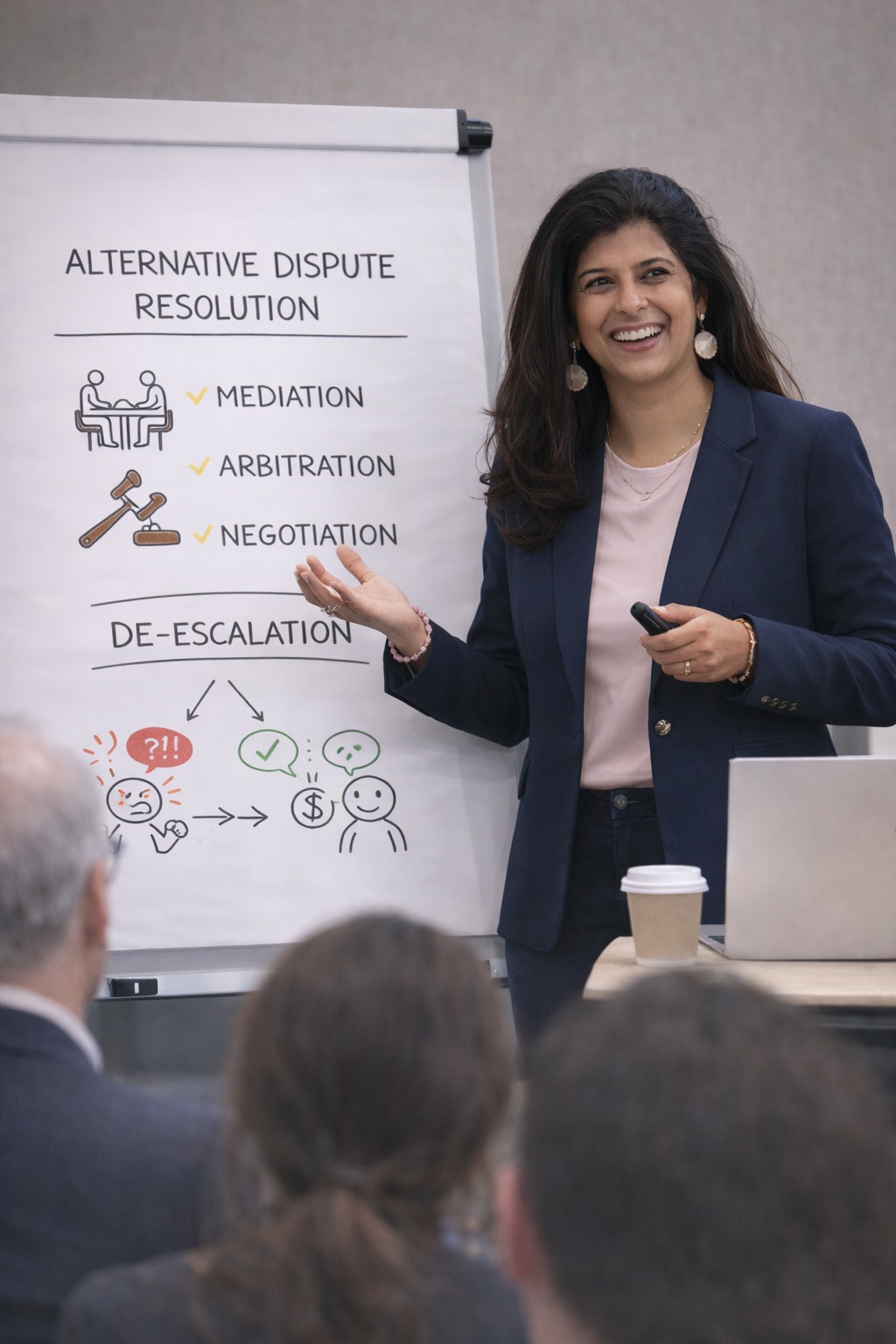
Conflict in professional environments is often attributed to substantive disagreements. However, in many cases, the underlying issue is not the topic itself but how it is communicated. Misunderstandings, assumptions, and unclear messaging frequently serve as the foundation upon which larger disputes are built.
Communication breakdowns rarely occur in a single moment. They tend to develop gradually through small misalignments. An email that lacks clarity, a tone that is perceived as dismissive, or a conversation that ends without confirmation of understanding can create uncertainty. When these moments are not addressed, individuals may begin to fill in gaps with their own interpretations. These interpretations are often influenced by stress, prior experiences, or perceived power dynamics.
As a result, individuals may assign intent where none exists. A delayed response may be viewed as avoidance. A direct statement may be interpreted as criticism. Over time, these assumptions can shape the narrative each party holds about the other. Once this narrative forms, communication becomes filtered through it, making productive dialogue increasingly difficult.
Stress further complicates communication. In high-pressure professional settings, individuals are often managing competing priorities and time constraints. Under these conditions, the ability to process information clearly and respond thoughtfully can be reduced. Communication may become more reactive, less precise, and more susceptible to misinterpretation.
The absence of active listening also contributes to breakdowns. When individuals focus on responding rather than understanding, key information is missed. This can lead to repeated explanations, frustration, and a sense that one’s perspective is not being acknowledged. Over time, this dynamic can escalate into defensiveness or disengagement.
Addressing communication breakdowns requires intentional effort. Clarity in language, confirmation of understanding, and a willingness to ask questions can significantly reduce misinterpretation. Equally important is the ability to recognize when emotions are influencing communication and to pause before responding.
Effective communication does not eliminate disagreement. Instead, it creates a framework in which disagreement can be expressed and explored without escalating into conflict. By focusing on how information is conveyed and received, professionals can prevent many disputes from developing into more complex and costly conflicts.
Blog Articles

Communication, Conflict De-Escalation, Development